Help! I Have an Attention Span of a Goldfish: Brainrot and What to Do About it?
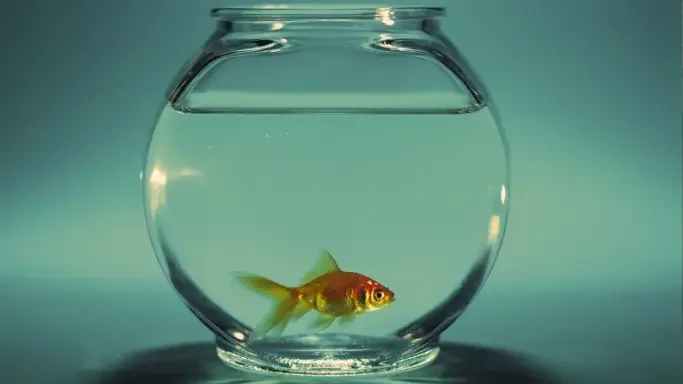
Have you ever caught yourself thinking, “I swear I have the attention span of a goldfish?” Because honestly, same.
You sit down to watch a show you've been excited about all week. Ten minutes later, you've spent more time looking at your phone than the TV. Somewhere between the TikTok doomscrolling, group chat notifications, online shopping, and random Reddit rabbit holes, many of us have started wondering if we've collectively forgotten how to focus. Picking up a book feels harder than it used to. A three-minute video somehow feels too long. Even standing in line without something to scroll can feel strangely uncomfortable.
The internet has dubbed this phenomenon "brainrot."
While the name is mostly used jokingly, the experience behind it is very real. If you've been feeling mentally overloaded, easily distracted, or like your focus isn't what it used to be, you're definitely not alone. The good news? Your brain isn't broken, you are not lazy, and you're definitely not the only one experiencing this. There's actually a reason so many of us feel like our attention spans aren't what they used to be. So, if you've resisted the urge to click away (no small feat), let's unpack what people mean when they talk about “brainrot,” why focusing feels so much harder these days, and what you can do to rebuild your attention span—without needing to throw your phone into the nearest body of water.
What People Mean by “Brainrot”
First things first: brainrot isn't an official diagnosis. Your brain isn't physically rotting, and despite what your late-night WebMD search might suggest, you won't find it in the DSM. (Although it was crowned Oxford University Press's 2024 Word of the Year.) Ironically, the term came from the very place where many people experience it: the internet.
Today, "brainrot" has become internet slang for the combination of mental fatigue, constant distraction, and information overload that can come from being, well… chronically online.
People often use the term to describe that feeling when you've consumed so much content that your brain starts to feel completely fried. Brainrot content tends to be fast-paced, repetitive, and intentionally chaotic. Think TikToks, Reels, YouTube Shorts, and viral trends designed to grab your attention and keep you scrolling. Over time, our brains can become accustomed to these quick bursts of stimulation and dopamine, making slower activities feel surprisingly difficult.
While the term is mostly meant to be funny, the experience behind it is something many people genuinely relate to.
Why Your Attention Span Feels So Short (and is it really?)
At this point, you might be wondering: Has our attention span actually gotten shorter, or does it just feel that way?
The answer is… a little bit of both.
Researchers are still exploring exactly how our digital habits affect attention, but one thing is clear: the way we consume information has changed dramatically over the last decade. The average person checks their phone around 58 times a day, and younger generations, including Gen Z and Gen Alpha, spend more time on screens than any generation before them — approximately 6–8 hours a day on screens outside of work or school.
(Cue the weekly Average Screen Time notification guilt...)
So, it may not be that your brain has forgotten how to focus. Instead, it has adapted to an environment filled with more information than humans have ever had access to before. Think of it like this: if you've spent years training your brain to jump between hundreds of tiny pieces of information every day, it makes sense that sitting down to read a book, writing a report, or even watch a movie without checking your phone suddenly feels much harder. This doesn’t mean your attention span isn't necessarily "broken." It may simply have become less tolerant of slower, less stimulating activities.
Let's look at a few reasons why this happens.
Constant dopamine stimulation
Our brains naturally crave novelty and quick rewards.
Every swipe, notification, or "just one more video" gives your brain something new to chase. Over time, slower activities can start to feel less rewarding—not because you've lost focus, but because your brain has become used to instant gratification.
Overstimulation from content
Your brain isn't just processing more content—it's processing more decisions.
What should I watch? Should I reply? Should I save this? Those tiny decisions add up and quietly drain your mental energy throughout the day.
Multitasking habits
Every time you jump between apps, tabs, or conversations, your brain has to reset.
Checking a text, replying to an email, or opening Instagram may only take a few seconds, but those interruptions break your concentration. The more often you switch, the harder it becomes to stay engaged with one task.
Anxiety & Avoidance
Sometimes scrolling isn't about entertainment—it's about avoiding discomfort.
When we're anxious, overwhelmed, or procrastinating, reaching for our phones can feel easier than starting the task in front of us. The relief feels good—but usually doesn't last.
Burnout
Focus requires energy.
When you're mentally or emotionally exhausted, concentration is often one of the first things to suffer. Sometimes what feels like a short attention span is really your nervous system asking for rest.
The takeaway? If your attention span feels different than it used to, it isn't a personal failure. Your brain has simply adapted to the world around it—and the good news is, it can adapt again. But here's the thing: attention is about much more than just how much time you spend on your phone. A little further down, we'll explore how mental health can also shape your ability to focus—and why that distinction matters.
Signs your attention Span Might be Affected

So, what does this actually look like in everyday life? While everyone's experience is different, here are some common signs your attention span may be feeling the effects of brainrot.
checking your phone during a movie or TV show—even when you're enjoying it
feeling tempted to skip ahead or watch everything at 1.5x speed
abandoning a book after just a few pages
reaching for your phone the second there's a quiet moment
bouncing between tabs or tasks without finishing any of them
needing constant background stimulation (music, TV, scrolling, snacks, etc.) just to get through a task
rereading the same paragraph because your mind keeps wandering
feeling restless when someone takes too long to explain something—fidgeting, looking around, shifting in your seat, or mentally checking out
instinctively checking your notifications, even when you didn't hear one
Googling one thing and resurfacing 45 minutes later as an expert on ancient Rome
Sound familiar? Welcome to the club.
How to Rebuild Your Attention Span (Realistically)
If you've made it this far—congratulations! Your attention span might be doing better than you think.
The good news is that attention is a skill. Just as your brain adapted to constant stimulation, it can also adapt to slower, more focused ways of paying attention. The goal isn't to become someone who never looks at their phone—it's to give your brain more opportunities to practice sustained focus again.
Start Small: Don't aim for an hour of deep focus right away.
Start with just 5–10 minutes of uninterrupted attention, then gradually increase the time as it becomes easier.
Reduce Stimulation Gradually: You don't need a dramatic dopamine detox.
Try making one small change at a time—turn off unnecessary notifications, leave your phone in another room while you work, or resist the urge to check it every spare minute.
Make Time for "Low Dopamine" Activities: Not every moment needs to be entertaining.
Go for a walk without headphones, journal, read a few pages of a book, or simply allow yourself to be bored for a few minutes. Giving your brain a break from constant stimulation can help rebuild your tolerance for quieter moments.
Remove Friction: Make it easier to focus and harder to get distracted. Put your phone out of reach, use app timers, or close the tabs you don't need before starting a task. Small environmental changes can make a surprisingly big difference.
Train Your Brain to Tolerate Boredom : Practice being bored — this might be the hardest one.
The next time you're waiting in line or riding the elevator, resist the urge to immediately reach for your phone. Those little moments of boredom give your brain a chance to slow down—and over time, they help rebuild your ability to focus.
Remember, you're not trying to become perfect. You're simply helping your brain rediscover that not every moment needs to be filled with stimulation.
How Mental Health Plays a Role in Attention Span Length
It's easy to blame everything on "brainrot," but social media is only one piece of the puzzle. Sometimes difficulty focusing has less to do with your screen time and more to do with what's happening beneath the surface.
For example:
ADHD: If you've struggled with focus, organization, or distraction for as long as you can remember, there may be more to the story.
Anxiety:When your mind is busy worrying, it's hard to stay focused on the present.
Depression: Low mood can affect your energy, motivation, memory, and concentration.
Trauma: When your nervous system is working hard to keep you safe, staying focused can naturally become more difficult.
OCD: If your mind is caught in a loop of intrusive thoughts, checking, or seeking reassurance, it can be hard to focus on anything else.
When It Might Be More Than "Brainrot"?
If focusing has been a struggle for a long time... Maybe it’s affecting your work, school, relationships, creating emotional distress or chronic procrastination — it may be worth looking beyond your digital habits. Sometimes what looks like a "short attention span" is actually your mind and body asking for support. And if that's the case, you don't have to figure it out alone.
How Therapy Can Help You Improve Focus and Habits?
If you've been reading this thinking, "This sounds a lot like me," there may be more to your attention struggles than you realize—and therapy can help you understand why.
Rather than trying to "fix" your attention span, therapy looks at what's getting in the way. Whether it's anxiety, burnout, ADHD, avoidance, or an overwhelmed nervous system, the goal is to understand the root of the problem and build habits that feel realistic and sustainable.
At The Cognitive Corner, there's no one-size-fits-all approach. We know that everyone's experiences are different, so we tailor therapy to your unique needs and goals. If you're looking to better understand unhelpful thought and behaviour patterns, Sydney uses approaches like Cognitive Behavioural Therapy (CBT). If stress and overwhelm feel like they're driving your attention span, somatic therapist Mina incorporates Somatic Therapyto help regulate the nervous system. And if you're looking for ADHD support or want to explore the different "parts" of yourself, IFS therapist Ash integrates Internal Family Systems (IFS) and ADHD-informed strategies into their work.
If you're unsure where to start, you're always welcome to book a free 15-minute virtual consultation with one of the TCC therapists. It's a chance to ask questions, talk through what's been going on, and find the therapist and approach that feels like the best fit for you.
TL;DR
Do you ever feel like you have the attention span of a goldfish? Welcome to the club.
While the internet might call it "brainrot," the reality is a little more nuanced. Our brains have adapted to a world of endless scrolling, quick dopamine hits, and constant notifications, making it harder to stay focused on slower, less stimulating tasks. But digital habits are only one piece of the puzzle—things like anxiety, burnout, ADHD, and trauma can also affect your attention.
The good news? Your brain isn't broken. With small, sustainable changes, you can rebuild your ability to focus. And if attention has been a long-term struggle or is affecting your daily life, it may be worth exploring whether there's something more than "brainrot" going on.
References:
https://pmc.ncbi.nlm.nih.gov/articles/PMC11939997/
https://connectionsmind.com/brain-rot-beware-the-silent-epidemic/
https://www.calm.com/blog/brainrot
https://www.healthline.com/health/short-attention-span
https://www.apa.org/news/podcasts/speaking-of-psychology/attention-spans
https://corp.oup.com/news/brain-rot-named-oxford-word-of-the-year-2024/
https://www.cdc.gov/nchs/products/databriefs/db513.htm
https://explodingtopics.com/blog/smartphone-usage-stats
https://www.demandsage.com/screen-time-statistics/
https://sgu.ac.id/the-decline-of-attention-span-in-the-digital-era/
https://www.sciencedirect.com/science/article/pii/S294988212600006X
https://intel.morningconsult.com/mc-content/analysis/gen-alpha-media-social-trends-2024